martes, 28 de septiembre de 2021

CORONAVIRUS: THE LAST PANDEMICS?

 ARTICLE SENT BY  MARIANA SALLES INTERPRETING III


CORONAVIRUS : THE LAST PANDEMIC ? 


The COVID-19 pandemic felt for many of us like it came out of the blue, but scientists have long been sounding the alarm about a potential pandemic from a coronavirus.

We already had warnings with the SARS and MERS outbreaks, both caused by coronaviruses, and both spilled over from animals into humans. Given the way people continue to encroach on animal habitats, trade wildlife and eat bushmeat, it is increasingly likely that zoonotic diseases that come from animals will cause future pandemics.

This already happens more often than you might think. Since the 1940s more than 330 emerging infectious diseases have been identified, of which 60% were zoonotic. And when a new infectious disease does emerge, human migration, population growth, rapid global travel, climate change urbanisation and dense urban slums can all hasten its spread. 

Given that more people are living in closer proximity to each other than ever before and that normally more than a billion people cross international borders each year, it has never been easier for outbreaks to escalate and spread globally.

With the current pandemic, research carried out in response to previous coronavirus outbreaks and developments in vaccine technologies gave us a head-start that meant that COVID-19 vaccines could be developed rapidly. Even so, at the outset we had limited national systems for case detection and tracking of epidemic spread.

 The complete lack of treatments or existing vaccines meant that in the year that it took to develop vaccines, millions lost their lives to COVID-19.

R&D tends to focus on immediate threats, and often on drugs, vaccines or diagnostics that are most profitable, which explains why many diseases identified by World Health Organization as having a high potential to cause future pandemics are currently being neglected. Many of these threats affect low- and middle-income countries and have little or no research and development ongoing. This is dangerous, and means that if any of these diseases turn pandemic, we could once again be caught off guard. Millions of lives could be lost.


In this series, we look at which pathogens currently pose the greatest pandemic threat, why that is and what research has been carried out into mitigating their impact.

THE NEXT PANDEMIC
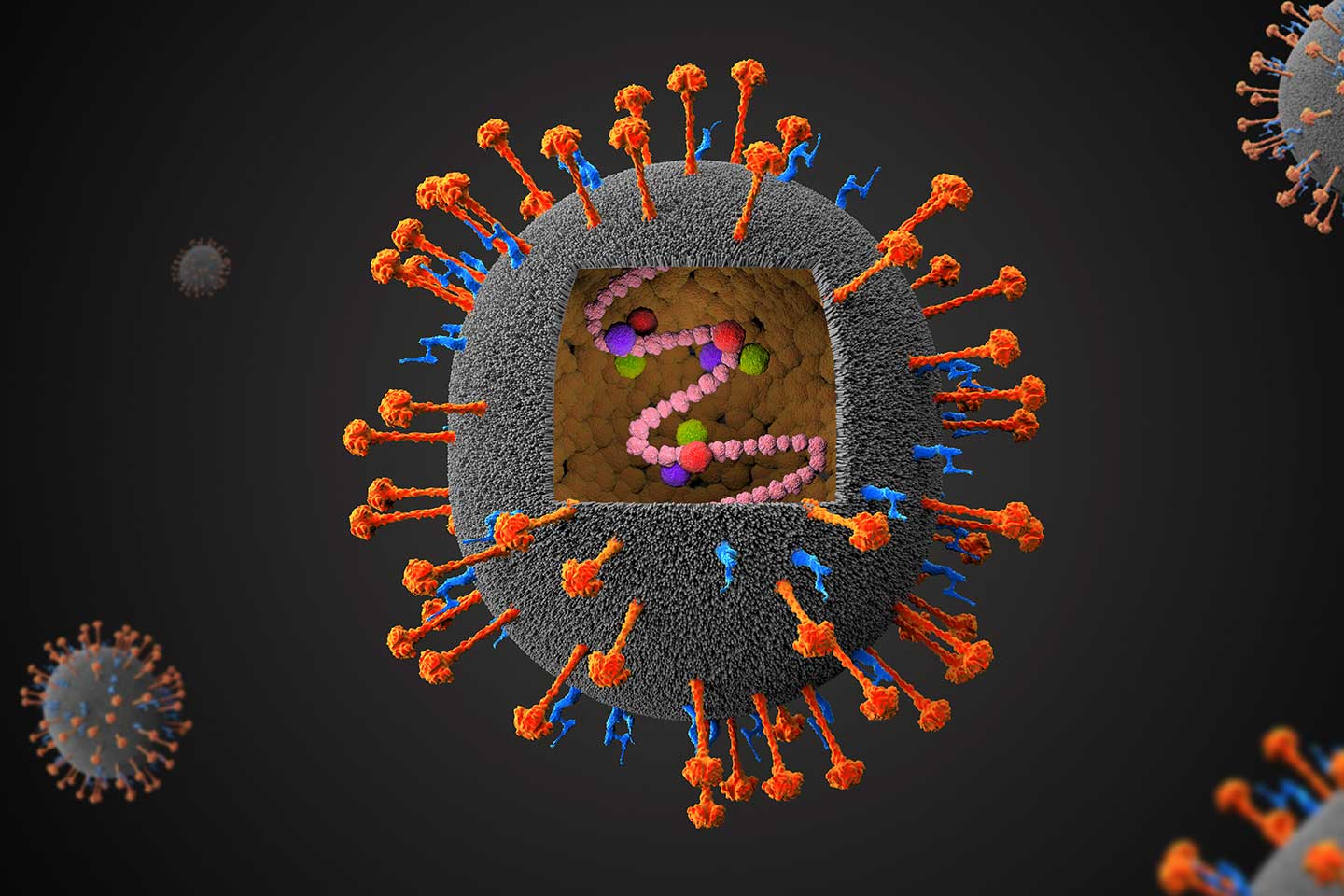
The next pandemic: Nipah virus?

Nipah virus can kill as many as three out of four people it infects. Since the fruit bat that carries the virus often comes into contact with humans, here we explain why the development of drugs and vaccines for the disease is becoming increasingly more urgent.
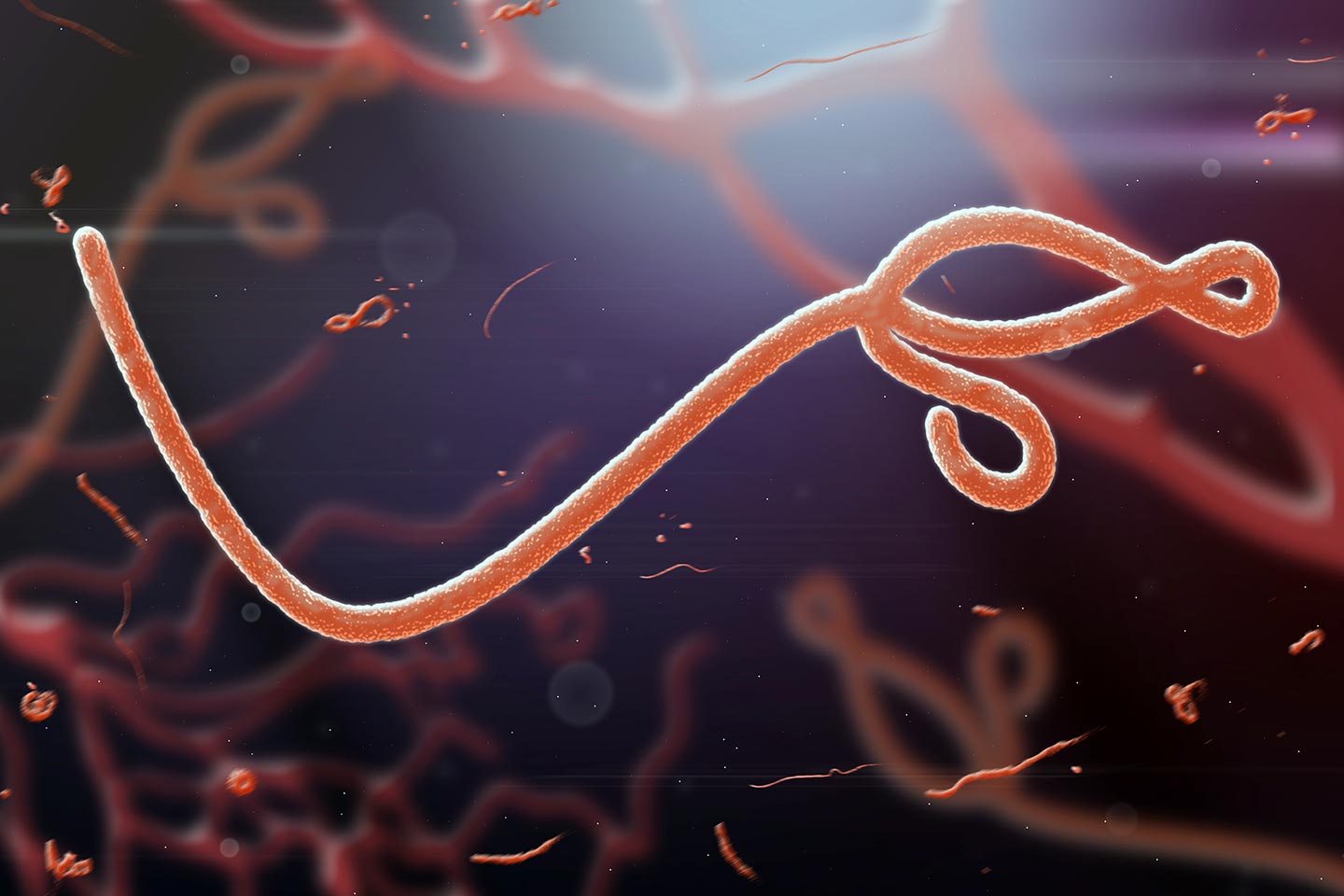
The next pandemic: Ebola?

Ebola has so far only affected African coun

domingo, 22 de agosto de 2021


MAKING SENSE OF PHONETICS 

DIALOGUES WITH ASSIMILATIONS 


DIALOGUE  HUSBAND AND WIFE 


kæn juː pɑːs miː jɔː ˈhændbæg 

aɪ Kan:taɪm əˈfreɪd / ðɪ s jɪər aɪ vdɪˈsaɪdɪd 

nɒt t u ˈkæri wʌn ʤʌst fə θiːvz 
wɒt  juː wɒnt ɪt fɔː
 

ðɪs ʃɒp hæz ə pleɪs weə juː kæn liːv ɪt 


2)

kn jə pɑːs miː jə ˈhæmbæg 

aikntaiməˈfreɪd / ðɪʃə:r aɪ vdɪˈsaɪdɪd nɒtəkæri wʌn / ʤsfθiːvz 
wɒt ʃ uː wɒnit fɔː 

ðɪʃɒpæzəpleɪs we jə  kn liːv ɪt 


If you want us teachers to read this out to you to notice differences , please click at www.centroingles.com.ar / contacto Send us the form and we send you the audio 

HOW THE ECONOMY MACHINE WORKS VIDEO

 OUR INTERPRETING TRAINEES MUST STUDY ECONOMICS AS PART OF THEIR TRAINING 


ECONOMICS PERVADES EVERY ASPECT OF OUR DAILY LIVES. WE ALL GO TO THE MALL TO BUY OUR GROCERIES. WE ALL HAVE TO PAY TAXES. WE ALL HAVE TO MAKE TRANSACTIONS. NOWADAYS WE USE OUR HOMEBANKING SERVICES  TO BUY AND SELL WHATEVER. WE PAY OUR CREDIT CARDS EVERY MONTH.   THERE S NO ESCAPING THE RULES OF ECONOMY


Here We have brought to you a video that easily explains what ECONOMICS is and how it works . Most of the ideas will sound familiar to you . Try to translate them into SPANISH  That is no small job  Use your everyday words and you ll reach the equivalents. Understanding the concepts is key . 


https://www.youtube.com/watch?v=PHe0bXAIuk0


PROF ADRIAN GUDAGNINO   PROF PATRICIA GREY 

sábado, 17 de julio de 2021

ETHICAL QUESTIONS ABOUT COVID: THE DENIERS


As a Doctor, May I Refuse to See Unvaccinated Patients?

The magazine’s Ethicist columnist on mitigating risk from Covid-19 without punitive measures —and more.

Credit...Illustration by Tomi Um

I’m a family physician in private practice. More than 225 of my patients have been infected with the coronavirus. Some were hospitalized, some were placed on ventilators and more than a few have “long Covid” symptoms. When the vaccines became available, not only did I and my staff get vaccinated, but we also assisted our patients in procuring vaccination appointments. By spring, more than 80 percent of my patients were fully vaccinated, and we can now offer unvaccinated patients the convenience of vaccination in our office. A significant segment of our practice consists not of “vaccine hesitant” but of “vaccine refusing.” We attempt to create a nonjudgmental, nonshaming atmosphere for our patients to express their reasons for refusing the vaccine. Many have bizarre, almost delusional reasons for not getting vaccinated. Others have fallen prey to misinformation online. Because our patients often take mass transit to their appointments and because our office is in a high-rise and because I offer telehealth appointments, is it ethical and in the interest of public health to restrict vaccine-refusing patients to telehealth appointments? Name Withheld, New York

We all depend on other people — our trusted networks — for much of what we know or believe to be true. So we’re all vulnerable to misinformation when people whose epistemic authority we trust mislead us. Sometimes, no doubt, a touch of arrogance eases the departure from reality, too. Lay people who dissent from the scientific consensus may strike you as woefully credulous but often pride themselves on being independent-minded. Still, these are social, not individual, delusions.

And social delusions pose shared difficulties. Commendably, it sounds as if you’ve done your best to set everyone straight. Once certain patients are committed to nonvaccination, however, you are not free to make decisions that could reasonably be viewed as punitive. You can certainly insist on their keeping away from the premises if they pose a genuine risk to others in your practice. But that shouldn’t be the case, given that your patients are mostly vaccinated (and your staff entirely so) and that you’ll presumably require unvaccinated patients to wear masks and practice social distancing.

When unvaccinated patients ask for an appointment, you can routinely offer teleconsultations (in circumstances where this is a medically sound option), explaining that, in your view, every trip puts them at further risk of contracting or transmitting infection. That’s a good way of keeping before them the fact that a relevant expert in their lives has a different view from theirs. Still, these exasperating people should be free to ignore your very sound advice and remain in your care.

ADVERTISEMENT

Continue reading the main story

My adult son told me he was “waiting his turn” to be vaccinated but now admits he has no plans to do so. He is in his 30s and steeped in conservative media messages, like Fox News and Dave Ramsey. He says as long as we are vaccinated, it doesn’t matter if he isn’t. We feel that he’s taking a belligerent and selfish stance. We believe that the vaccine is important not only for each recipient’s own health but also to protect people who can’t take the shots (and the vaccine is not 100 percent effective). Logically, we know he’s unlikely to infect us. We’re scheduled to meet for a small celebration. Our first reaction was to continue our “no mask, no meet” policy, but are we overreacting? We could still meet, but we would wear masks. This will cause a deep rift if we don’t handle it well. Name Withheld


To go by current C.D.C. guidance for small indoor gatherings, your son is the one who should be masked. But if he’s the only unvaccinated participant, the risks to you — and to him — are very low. (New variants could change the calculation; we’re getting additional data all the time.) Yes, he’s being a knucklehead in this respect, and I trust you’ve made your views about it very clear to him. But a family celebration isn’t a favor to which you can attach conditions. The prospect of getting together, even with this blinkered soul, is something you plainly value. You probably won’t go wrong by suspending the policy and letting him raise a glass with you.

My 11-year-old son is very nervous about being out in the world. My wife and I and our 13-year-old are all vaccinated. I would like our 11-year-old to get vaccinated and am willing to lie about his age to do so. (I am confident that if the vaccine is fine for someone a few months older than he, it’s fine for him too.) Is it ethical to sign him up for a vaccine and to ask him to lie if asked about his age? Peter, Iowa City


The rules and recommendations of medical authorities rightly shift in response to shifting evidence; they shouldn’t be bent in response to our individual fears.

Most of the time, the social logic of vaccination has a pleasing symmetry: It’s good for you, and it’s good for the rest of us. With children, who can transmit the virus but very seldom get seriously ill from it — and again, new variants could change the picture — the benefits flow mostly to others. As this newspaper has reported, children your son’s age are more likely to perish from flu, drowning or motor-vehicle accidents. Look for ways to reassure your boy that don’t involve a needle. The rules and recommendations of medical authorities rightly shift in response to shifting evidence; they shouldn’t be bent in response to our individual fears.

ADVERTISEMENT

Continue reading the main story

I retired as a professor of education from a small college. One of my former colleagues in the department had only a master’s, for which the department was criticized by an accreditation agency. She applied to a Ph.D. program a few years ago but was not accepted and left the college. She is now working as an administrator in a private school for children with disabilities. A short bio on the school website states that she received her Ph.D. from a Midwestern university in 2012. I know that to be false, as she was rejected from a local program after that date.

My first impulse was to contact the private school. On reflection, however, I realized that this would result in her losing her job. Do I have a professional obligation to let the school know that her bio is not accurate? Robert Berman, Long Island, N.Y.

Your former colleague wronged her employers when she deceived them; she may have wronged others who competed with her for the job. But yes, taking an action that would have grave consequences requires careful consideration. Being fired is a serious penalty for this lie, especially if, as I suspect, the qualification she claimed wasn’t really necessary for the job. Had the school truly cared about the credential, it could have done its due diligence: Degrees are considered “directory information,” readily disclosed to potential employers.

We regularly put too much stock in formal qualifications: If she was doing a good job in your department, your accreditors were taking a shortcut to a proper evaluation. Having a doctoral degree cannot matter more than experience and commitment in teaching. (And I’m putting aside the fact that plenty of people with doctoral degrees are lousy teachers.) In the British system of higher education in which I was formed, the doctorate arrived as a belated German import, and many eminences on the faculty wouldn’t have had one. What’s more, your colleague is working now as an administrator in a pre-college context, and teachers and administrators without doctoral degrees have been responsible for great K-12 schooling, including for students with disabilities. I would feel different if I thought her prevarication was at the expense of those children, but I see no reason this would have to be so.

None of this is at all exculpatory. That our preoccupation with paper credentials is regrettable doesn’t excuse a misrepresentation of those credentials. So let me be clear: You’re certainly entitled to expose her and wouldn’t be wronging her if you did. The loss of her job, perhaps of her career, would have been her own fault. But you don’t have a professional obligation to expose her, either. Keeping other people honest about their credentials whenever we happen to find them misstated isn’t a duty we have in relation to everyone we’ve ever worked with.


Kwame Anthony Appiah teaches philosophy at N.Y.U. His books include “Cosmopolitanism,” “The Honor Code” and “The Lies That Bind: Rethinking Identity.” To submit a query: Send an email to ethicist@nytimes.com; or send mail to The Ethicist, The New York Times Magazine, 620 Eighth Avenue, New York, N.Y. 10018. (Include a daytime phone number.)

A version of this article appears in print on July 18, 2021, Page 14 of the Sunday Magazine with the headline: As a Doctor, May I Refuse to See Unvaccinated Patients?. Order Reprints | Today’s Paper | Subscribe

You’re almost out of free articles.

Get unlimited article access

for $0.25 a week.

Limited time offer. Cancel anytime.

Suggested newsletters for you

The Morning newsletter

DAILY

The Morning

Make sense of the day’s news and ideas. David Leonhardt and Times journalists guide you through what’s happening — and why it matters.

See the latest
Breaking News newsletter

AS NEEDED

Breaking News

Alerts when important news breaks around the world.

See the latest
Opinion Today newsletter

WEEKDAYS

Opinion Today

Get expert analysis of the news and a guide to the big ideas shaping the world.

See the latest
Subscribe for 
$0.25 a week. 
Limited time offer.
Subscribe for 
$0.25 a week. 
Limited time offer.